
Last updated September 10, 2026
Full 25-point door and opener safety check with every visit - springs, cables, rollers, tracks, and your LiftMaster or Chamberlain opener included
You get a price before we start. It does not change when the truck arrives.
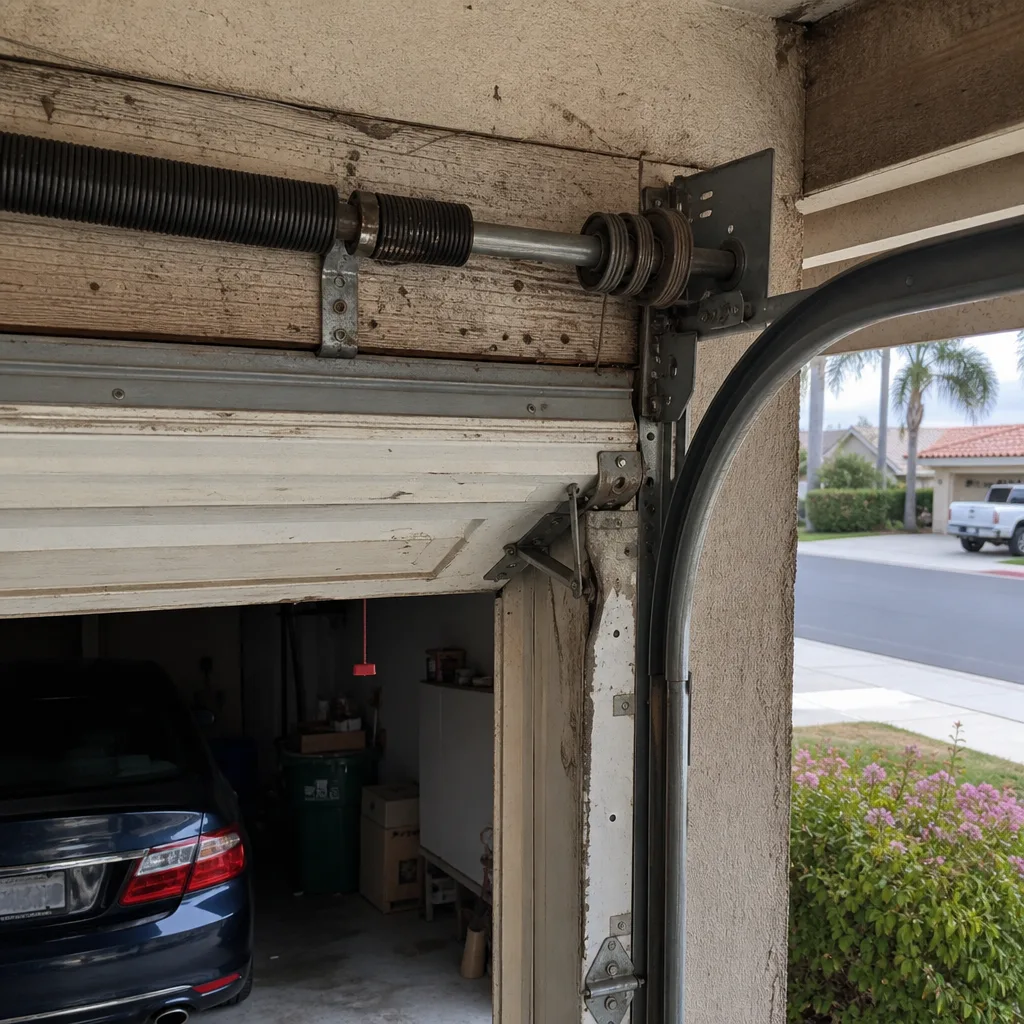 Before
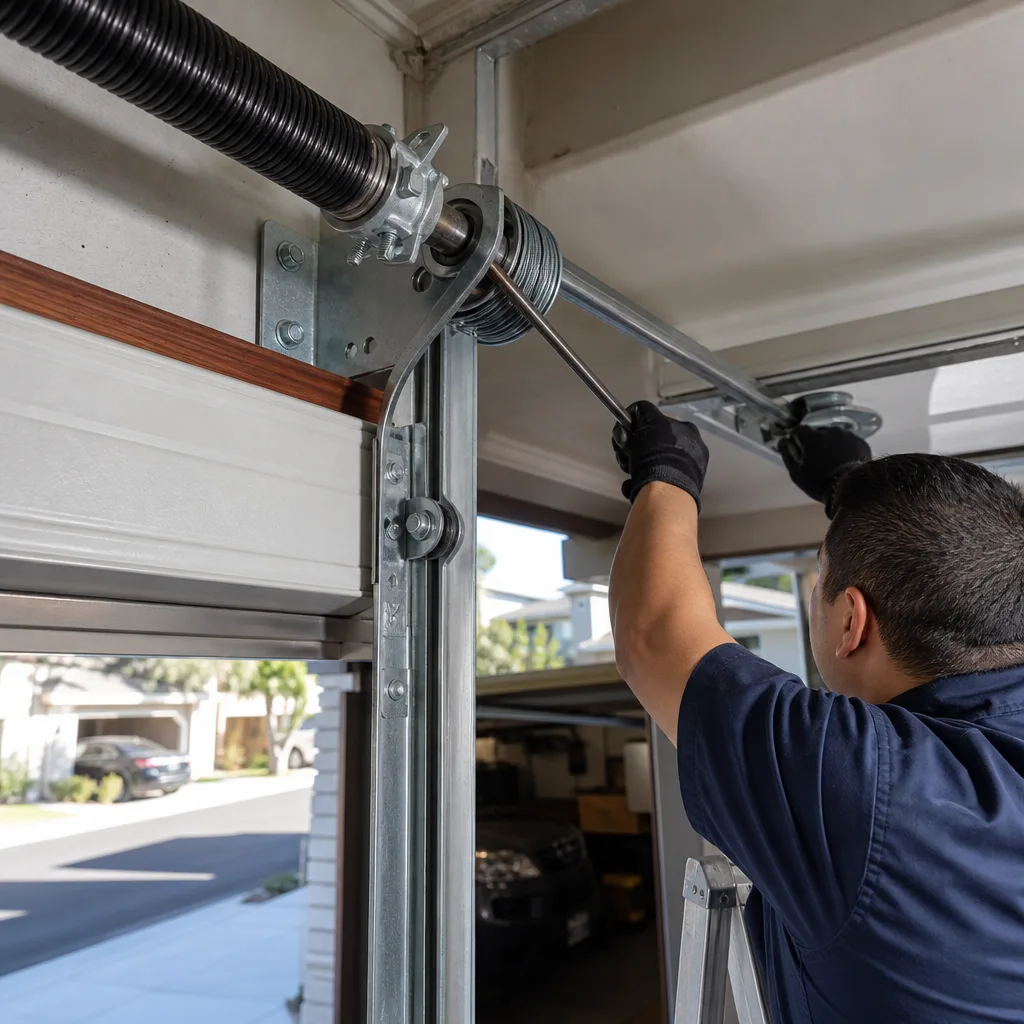 After
After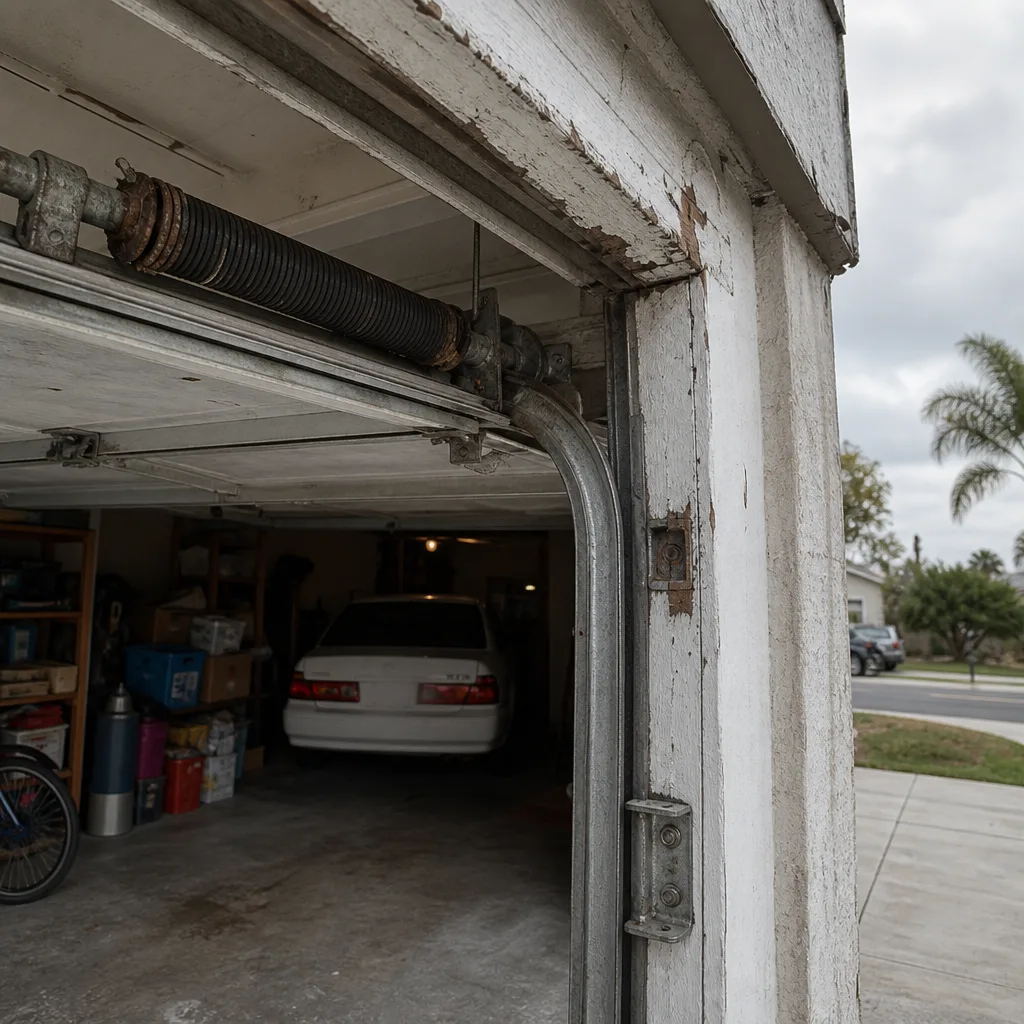 Before
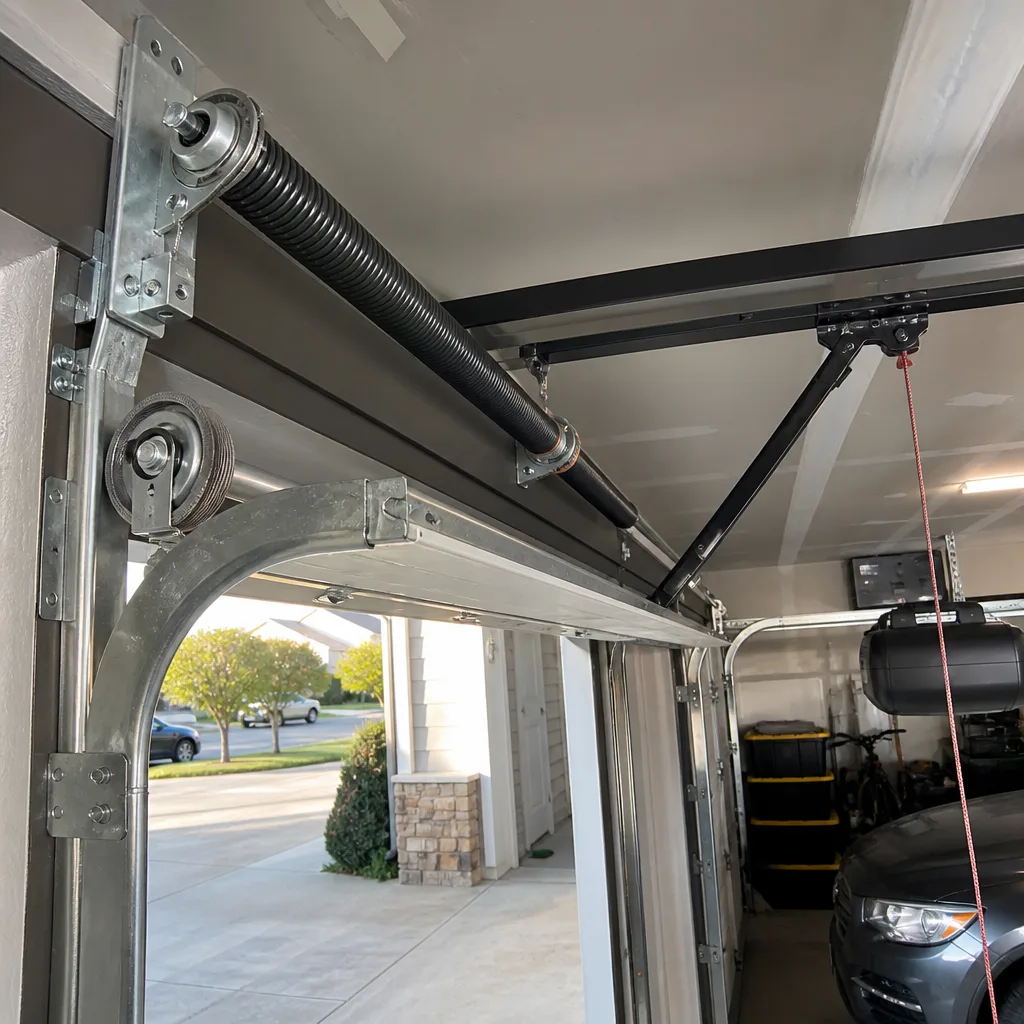 After
After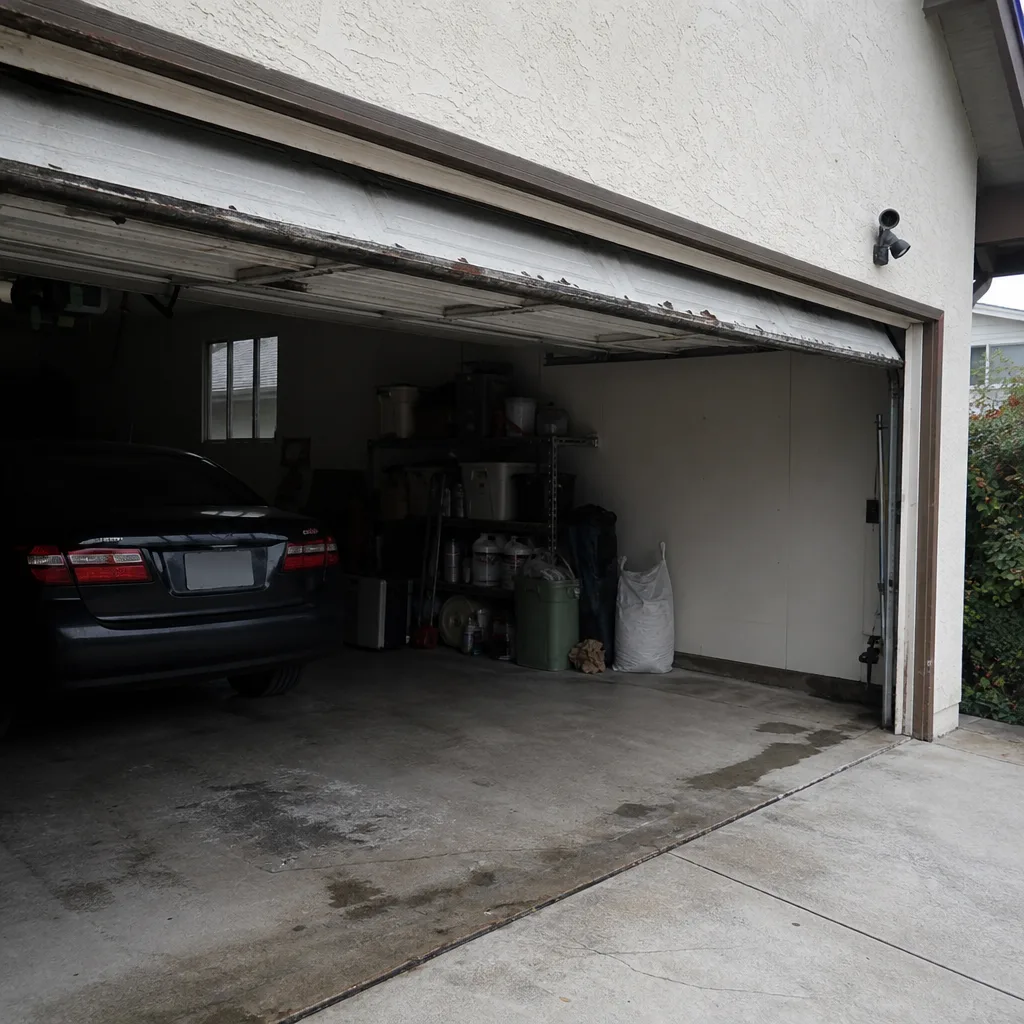 Before
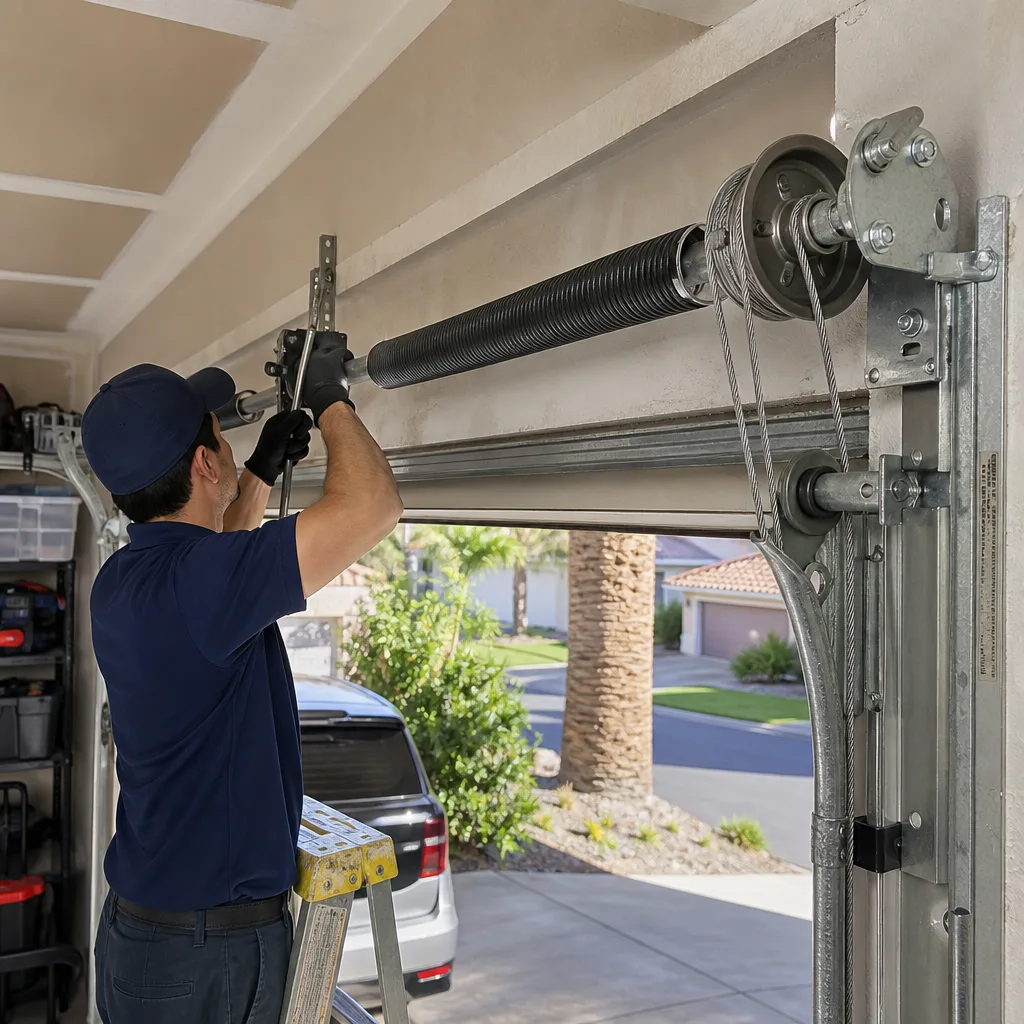 After
AfterGarage Door Permits, Codes & Inspections in CA: What You Need to Know
Replacing a garage door panel is not the same as replacing a garage door - and that distinction determines whether you owe the city a permit fee or not. Most Carlsbad homeowners don’t know where that line falls. In our 42 years of work across North County San Diego, we’ve seen permit headaches derail home sales, stall projects, and turn simple upgrades into expensive do-overs. This guide draws a clean line between what triggers a permit and what does not, so you can plan your project with confidence and avoid surprises at inspection time.
Quick Answer
In California, you need a building permit for full garage door replacement, any electrical work on openers, and structural modifications to the header or framing. You do not need a permit for spring replacement, cable repair, panel swaps, roller replacement, or routine maintenance. Carlsbad requires permits for replacement doors that alter the home’s exterior appearance or energy performance, and all work must meet California Title 24 energy codes and UL 325 safety standards.
Table of Contents
- When Is a Garage Door Permit Required in California?
- Work That Does Not Require a Permit
- California Title 24 and Energy Code Requirements
- UL 325 Opener Compliance and Home Sale Inspections
- The Carlsbad Permit Process Step by Step
- HOA Design Approval vs. City Permits in Carlsbad
- What Happens to Unpermitted Work When You Sell
- What Inspectors Actually Check
When Is a Garage Door Permit Required in California?
California Building Code Section 105.1 requires permits for construction, alteration, or repair of any building or structure. For garage doors, this breaks down into three specific triggers that apply in Carlsbad and every city that adopts the state code.
Full door replacement. Removing the entire door and track system counts as alteration. The permit ensures the new door’s weight, wind load rating, and hardware match the opening’s engineering. In Carlsbad’s coastal climate, where salt air accelerates corrosion and occasional Santa Ana winds stress hardware, inspectors pay close attention to wind-load certification on replacement doors.
Electrical work on openers. Hardwiring a new opener, adding a dedicated circuit, or relocating the outlet requires an electrical permit. Battery-backup openers, now mandatory under California Senate Bill 969 for new installations, must be properly grounded and tested. Even if you’re swapping an old opener for a new one with the same plug-in setup, any modification to the branch circuit triggers the permit requirement.
Structural header or framing changes. Widening the opening, raising the header height, or replacing a rotted header beam always requires structural review. In older Carlsbad neighborhoods like the Village or Olde Carlsbad, we regularly encounter 1970s-era headers built to standards that no longer meet span tables. A permit ensures an engineer or plans examiner signs off on the new load path.
Exterior envelope modifications. If the replacement door has a different R-value, glazing, or exterior finish than the original, Carlsbad’s planning department may require a permit to verify compliance with the city’s design guidelines and energy standards. This is especially common in hillside zones where garage doors face the street and contribute significantly to visual character.
Here’s the threshold that catches homeowners: a permit is not triggered by the cost of the job or who does it. A $4,000 panel replacement by a handyman may need no permit, while a $1,200 opener hardwire by a licensed electrician does. The scope of work determines the requirement, not the price tag or the contractor’s license.
Work That Does Not Require a Permit
California Building Code Section 105.2 lists specific exemptions, and garage door maintenance falls squarely within them. For a deeper look at what to watch for, see our Garage Door Warning Signs: A Carlsbad Homeowner’s Reference Guide. In our experience across Carlsbad, these are the most common no-permit scenarios:
- Spring replacement. Torsion or extension springs are consumable parts. Swapping a broken spring for a new one, even if it requires winding and balancing, is maintenance. In coastal Carlsbad, we see spring life shortened by salt air corrosion - sometimes half the rated cycle life. Replacement is routine.
- Cable replacement. Lift cables and safety cables wear and fray. Replacing them restores original function without altering the door system.
- Panel replacement. Swapping a dented or rusted panel for a matching panel from the same manufacturer is repair, not replacement. The key word is “matching” - same dimensions, same weight, same track compatibility. If you’re upgrading from a non-insulated steel panel to an insulated one, you’ve crossed into replacement territory and may trigger permit requirements.
- Roller, hinge, and hardware replacement. These are standard wear items. Upgrading from nylon to steel rollers, or replacing corroded hinges after coastal exposure, requires no permit.
- Opener repair. Replacing a gear assembly, adjusting travel limits, or swapping a worn chain or belt is maintenance. The existing electrical connection is not modified.
- Weatherstripping and seal replacement. Bottom seals, jamb seals, and threshold replacements are routine maintenance with no structural or energy-code implications.
The distinction matters because unpermitted work that should have been permitted can complicate a future sale. But permitted work that didn’t need permitting wastes time and money. When we evaluate a job in Carlsbad, we tell homeowners upfront which category their project falls into. For more on keeping your door in top shape, check our Garage Door Repair Maintenance Checklist for Carlsbad Homeowners. No surprises on the bill, and no surprises from the city later.
California Title 24 and Energy Code Requirements
Title 24, Part 6 of the California Code of Regulations governs energy efficiency in buildings. For garage doors, the critical section is the prescriptive requirement for thermal performance of envelope components. Here’s what actually applies, stripped of the confusion we see in online forums.
New construction. Any garage door installed in a newly built home must meet the U-factor and solar heat gain coefficient (SHGC) requirements for the climate zone. Carlsbad sits in California Climate Zone 7, where the prescriptive U-factor for garage doors is 0.50 maximum for non-swinging doors. Most insulated steel doors with polyurethane foam cores from major manufacturers like Clopay and Amarr meet this standard. Uninsulated single-layer steel doors do not.
Existing construction. Here’s where homeowners get mixed signals. Title 24 does not require you to upgrade your garage door’s energy performance when replacing it in an existing home - unless the replacement alters the building’s conditioned space relationship. If your garage is attached to the house and you are converting it to conditioned space, or if the replacement door has glazing that changes solar gain, the energy code applies. A straight swap of an insulated door for another insulated door in an existing attached garage typically triggers no additional Title 24 compliance burden beyond the manufacturer’s certification.
Prescriptive vs. performance compliance. Carlsbad allows either path. Prescriptive compliance means your door meets the published U-factor table. Performance compliance means the entire building’s energy budget, calculated by approved software, still passes with a less efficient door. For most garage door replacements, prescriptive compliance is simpler and faster.
Documentation you need. The door manufacturer must provide a label or certificate showing NFRC-rated U-factor and SHGC values. We keep these documents on file for every Clopay, Amarr, and Wayne Dalton door we install in Carlsbad. If your contractor cannot produce this paperwork, your permit application will stall at plan check.
One Carlsbad-specific note: homes in the La Costa and Bressi Ranch master-planned communities often have garages with living space above them. In these cases, the garage ceiling is part of the thermal envelope, but the door itself still falls under standard replacement rules unless you’re modifying the ceiling insulation or air barrier. We’ve completed dozens of replacements in these neighborhoods and can confirm the specific documentation each community’s design review requires.
UL 325 Opener Compliance and Home Sale Inspections
UL 325 is the Underwriters Laboratories standard for door, drapery, gate, louvre, and window operators and systems. For garage door openers, it specifies entrapment protection requirements - the force settings, auto-reverse function, and photo-eye placement that prevent injury. California adopted UL 325 as part of its mechanical code, and Carlsbad enforces it at inspection.
What compliance looks like. A UL 325-compliant opener installation includes: two independent entrapment protection devices (typically photo eyes and a force-sensing auto-reverse), a manual release mechanism that disconnects the door from the operator, and warning labels placed on or near the door. The photo eyes must be mounted no higher than 6 inches above the floor, aligned, and unobstructed.
SB 969 and battery backup. Since 2019, all new garage door opener sales and installations in California must include battery backup capability. This applies to replacement openers, not repairs of existing units. The battery must be capable of operating the door for at least 24 hours during a power outage. LiftMaster and Chamberlain have led this transition; most Genie models now comply as well. We carry battery-backup units on every truck for Carlsbad installations.
The home sale problem. Here’s where UL 325 becomes expensive for unprepared sellers. California home inspectors, following standards of practice from CREIA or ASHI, test garage door auto-reverse and photo-eye function on every inspection. A non-compliant opener - one installed before 1993 without entrapment protection, or a newer unit with misaligned or bypassed photo eyes - gets flagged in the inspection report. The buyer’s lender or insurer may require correction before closing. We’ve received calls from Carlsbad sellers with escrow already open, needing same-day opener replacement to clear a contingency.
The fix is simple if done ahead of time. If your opener lacks photo eyes, lacks auto-reverse, or predates 1993, replace it before listing. If you have photo eyes but they’re dusty, misaligned, or mounted too high, a service call corrects the issue for a fraction of replacement cost. We offer free second opinions on any written inspection report - bring us the report and we’ll tell you exactly what needs doing.
The Carlsbad Permit Process Step by Step
Carlsbad’s Community Development Department processes garage door permits through the One Stop Counter at City Hall on Faraday Avenue. The process is straightforward but requires complete documentation. Missing paperwork is the most common delay we see.
- Determine permit type. Replacement of an existing door with no structural changes: building permit only. Electrical work on opener: electrical permit, which can be combined with the building permit or pulled separately. Structural header work: building permit with structural plans, often requiring engineer’s stamp.
- Prepare application package. You’ll need: completed permit application, site plan showing door location, manufacturer’s cut sheet with U-factor and SHGC ratings, wind load certification for the door model, and contractor’s license and insurance documentation if you’re not doing the work yourself. Carlsbad accepts owner-builder permits, but the liability and warranty responsibility stay with you.
- Submit for plan check. Simple replacements with standard documentation often qualify for over-the-counter issuance. Projects with structural components or non-standard doors go to plan check, typically 5-10 business days in Carlsbad.
- Pay fees. As of 2024, Carlsbad’s building permit fees for garage door replacement start around $180-$250 for the base permit, plus plan check fees if applicable. Electrical permits run $85-$150. These are city fees, not contractor charges. We quote permit costs separately so homeowners know exactly where their money goes.
- Schedule inspection. Carlsbad requires a final inspection for all garage door permits. The inspector verifies: door is the approved model, opener has battery backup and UL 325 compliance, structural work matches approved plans, and energy documentation is accurate. Inspections are typically available within 1-2 business days of request.
- Obtain final approval. The inspector signs off and the permit is finaled. Keep this documentation. You’ll need it at sale time, and it’s the proof that your installation meets code.
Timeline reality: a simple replacement with over-the-counter permit and quick inspection turnaround can be permitted and inspected within a week. A project requiring plan check and two inspection cycles may take three to four weeks. We coordinate permit timing with our installation schedule so homeowners aren’t waiting with an open garage.
HOA Design Approval vs. City Permits in Carlsbad
This is the confusion that costs Carlsbad homeowners the most time. HOA design approval and city permits are separate processes with separate requirements. Getting one does not satisfy the other.
HOA design review. Communities like La Costa, Bressi Ranch, Robertson Ranch, and the gated enclaves along El Camino Real maintain architectural standards through homeowner associations. These standards typically govern: door style and panel design, color and finish, window placement and glazing, and hardware appearance. The HOA architectural committee reviews your proposal against the community’s design guidelines. Approval may take 14-30 days and often requires a color sample or rendering.
City permits. Carlsbad’s Community Development Department cares about safety, energy compliance, and structural integrity. They do not review color choices or panel profiles unless the door’s exterior appearance triggers design review under the city’s own hillside or historic district guidelines.
The sequence. In nearly every Carlsbad HOA, you must obtain design approval before pulling city permits. The HOA approval letter becomes part of your permit application package. Starting construction before HOA approval can result in fines and stop-work orders from the association, even if your city permit is valid.
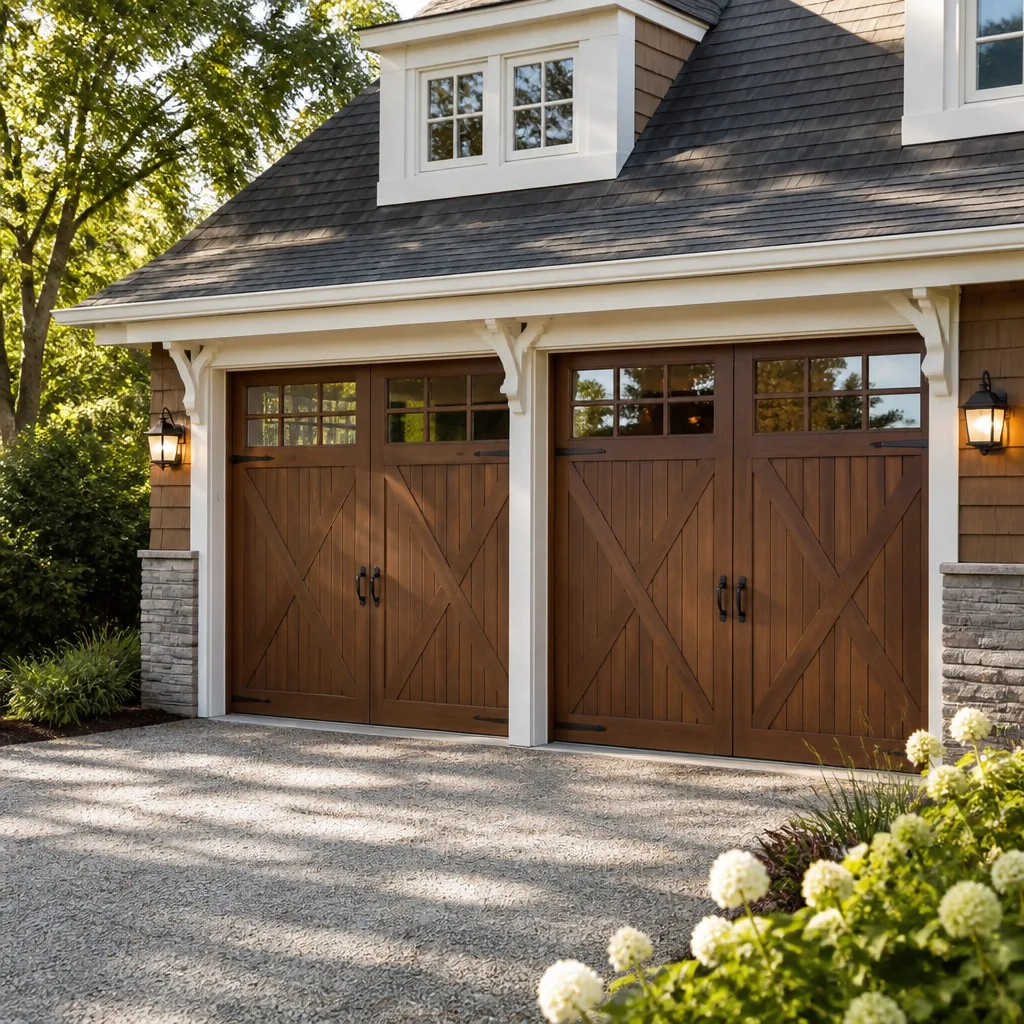
Practical example. We recently completed a full replacement in Bressi Ranch where the homeowner selected a Craftsman-style door with vertical windows. The HOA approved the style and color within two weeks. The city permit, which required only the energy documentation and wind load rating, was issued over the counter the same day we submitted with the HOA letter attached. Total elapsed time: 16 days from application to installation. A neighbor on the same street, who pulled the city permit first and skipped HOA pre-approval, had to halt work after the first day and restart the design review process. The delay cost three weeks.
We know the design guidelines and approval timelines for every major Carlsbad HOA. When we quote a job in a managed community, we build the approval sequence into our project schedule and tell you exactly what documentation to submit.
What Happens to Unpermitted Work When You Sell
California Civil Code Section 1102 requires sellers to disclose material facts affecting the value or desirability of property. Unpermitted construction, including garage door replacements that required permits, falls squarely within this obligation.
Disclosure requirements. The Transfer Disclosure Statement (TDS) and Seller Property Questionnaire (SPQ) specifically ask about room additions, structural modifications, and work done without permits. A garage door replacement with structural or electrical components that was not permitted must be disclosed. Failure to disclose can expose the seller to post-closing liability, even years after sale.
Buyer’s inspection discovery. Even if the seller does not disclose, the buyer’s inspection often reveals unpermitted work. Inspectors look for permit stickers on electrical panels, compare the door to original construction records, and note discrepancies in the city’s online permit history. In Carlsbad, permit records from 1990 forward are searchable online. A door that doesn’t appear in the record raises immediate questions.
The cure scenarios. If unpermitted work is discovered during escrow, three paths emerge. One: the seller retroactively permits the work, which in Carlsbad requires opening walls for inspection, possible correction of code violations, and payment of doubled fees. Two: the seller negotiates a credit to the buyer, who accepts responsibility for permitting. Three: the deal falls through. We’ve seen all three outcomes, and retroactive permitting is consistently the most expensive and disruptive.
Title insurance and lender issues. Some title insurers exclude coverage for unpermitted improvements. Some lenders require permit verification for any work done within five years of sale. These requirements vary by transaction, but the trend is toward stricter verification, not looser.
The preventive fix is simple: permit work that requires permitting, keep the final inspection documentation, and disclose properly. A permitted, finaled garage door replacement is an asset at sale time, not a liability. It demonstrates maintenance, compliance, and care for the property. In Carlsbad’s competitive market, that documentation can distinguish your listing.
What Inspectors Actually Check
Carlsbad building inspectors follow the California Residential Code and local amendments. For garage door permits, their field verification focuses on specific, observable items. Knowing what they check helps you prepare and pass on the first visit.
- Door identification. The inspector reads the manufacturer’s label on the door section to verify it matches the approved cut sheet. Model numbers must align exactly. A substitution, even from the same manufacturer, fails unless a change order was approved.
- Wind load rating. Carlsbad’s municipal code references ASCE 7 wind speed maps. The door must bear a label showing it meets or exceeds the design wind pressure for the site’s exposure category. Coastal zones with higher wind exposure require higher ratings.
- Opener compliance. Battery backup is verified by disconnecting power and operating the door. Photo eyes are tested by blocking the beam during closing. Auto-reverse is tested with a 2×4 laid flat in the door’s path. All three must function correctly.
- Structural connections. For header work, the inspector verifies lumber grade, fastener schedule, and bearing length against the approved plans. Jack studs, king studs, and header hangers are all checked.
- Energy documentation. The inspector confirms the installed door’s U-factor and SHGC match the permit application. This is a paperwork check, not a field measurement, but incomplete or incorrect paperwork fails.
- Emergency release. The manual release handle must be visible, accessible, and functional. It must disconnect the door from the opener without tools.
First-pass inspection rates improve dramatically when the installer understands these checkpoints. Our technicians have been through enough Carlsbad inspections to know what each inspector emphasizes. We don’t leave until we’re confident the installation will pass, and we schedule the inspection ourselves so the homeowner doesn’t have to coordinate another appointment.
Common Mistakes to Avoid
- Assuming panel replacement never needs a permit. If you’re upgrading from non-insulated to insulated panels, or changing the door’s dimensions, you’ve crossed into replacement territory. Check before ordering.
- Pulling the city permit before HOA approval. In Carlsbad’s managed communities, this sequence error costs weeks. Always start with the HOA architectural committee.
- Buying a non-compliant opener online. That deal on a non-battery-backup unit from an out-of-state seller saves $50 now and costs $300 in failed inspection and replacement later. California retailers cannot legally sell non-compliant openers, but online marketplaces do.
- Ignoring wind load requirements for coastal properties. A standard door rated for inland use may fail inspection in Carlsbad’s beach-close zones. The difference between a 20 PSF and 25 PSF rating matters.
- Disposing of permit documentation. Keep final inspection approvals with your home records indefinitely. You’ll need them at sale, for insurance claims, and for warranty disputes.
- Hiring unlicensed contractors for permitted work. Carlsbad requires a C-61/D-28 (garage door and gate) or C-10 (electrical) license for permitted garage door and opener work. Owner-builder permits are legal but transfer liability to you permanently.
When to Call a Professional
Permit questions are fact-specific, and the wrong assumption gets expensive. Call a licensed garage door contractor when: your project involves full replacement, electrical work, or structural changes; you live in an HOA community with design review requirements; you’re preparing to sell and need to verify permit status; or your opener lacks photo eyes, auto-reverse, or battery backup. Not sure who to trust? Read our How to Hire a Garage Door Contractor in Carlsbad: A Step-by-Step Guide.
At Mainspring Garage Door Co., we handle permit research, application, and inspection scheduling as part of our installation service in Carlsbad. We also offer free estimates to evaluate whether your planned work requires permitting at all. Call us at (760) 852-7175, and a live person will answer - any hour, any day.
Frequently Asked Questions
Yes, if you are replacing the entire door and track system. Carlsbad requires a building permit for full garage door replacement to verify wind load rating, energy compliance, and structural compatibility. You do not need a permit for spring replacement, cable repair, panel swaps, or routine maintenance. Call (760) 852-7175 if you’re unsure which category your project falls into - estimates are free. For more guides & resources, visit our blog.
Building permit fees for standard garage door replacement typically run $180-$250, plus plan check fees for complex projects. Electrical permits for opener work add $85-$150. These are city fees paid directly to Carlsbad’s Community Development Department, not contractor charges. We quote permit costs separately on every proposal so you know exactly where your money goes.
Yes, potentially significantly. California law requires disclosure of unpermitted work, and buyer inspections often discover discrepancies in city permit records. The seller may face retroactive permitting costs, sale credits, or transaction delays. Permitted work with final inspection documentation protects your sale and demonstrates proper maintenance. We verify permit status on every garage door repair in Carlsbad where sale timing matters.
In nearly all Carlsbad HOA communities, yes. Design approval from your architectural committee must precede city permit application. The HOA letter becomes part of your permit package. Starting work out of sequence risks HOA fines and stop-work orders, even with a valid city permit. We coordinate both approvals for installations in La Costa, Bressi Ranch, and other managed communities.
UL 325 is the safety standard requiring entrapment protection on garage door openers - photo eyes, auto-reverse, and manual release. California mandates compliance, and Carlsbad inspectors verify it at final inspection. Non-compliant openers fail inspection, complicate home sales, and create liability exposure. All new opener installations must also include battery backup under SB 969. We carry compliant LiftMaster, Chamberlain, and Genie units on every truck.
Simple replacements with complete documentation often qualify for over-the-counter permit issuance the same day. Plan check for structural or non-standard projects takes 5-10 business days. Final inspection is typically available within 1-2 business days of request. Total elapsed time ranges from one week for straightforward projects to three or four weeks for complex work. We build permit timing into our installation schedule so you’re not left with an open garage.
The Bottom Line
California’s garage door permit requirements are narrower than most homeowners fear but more specific than most contractors admit. Springs, cables, and panels need no permit. Full replacement, electrical work, and structural changes do. Carlsbad adds its own layer: wind load verification for coastal conditions, Title 24 energy documentation, and HOA design review in master-planned communities. The gap between what requires a permit and what does not is where unpermitted work and failed inspections happen. Know the line, get the right approvals in the right order, and keep your documentation. When you sell, you’ll be glad you did.
If you’re planning a garage door project in Carlsbad and want certainty about permits from the start, garage door installation in Carlsbad by Mainspring includes full permit handling. Or for opener-specific questions, see our garage door opener in Carlsbad service page. We’ll tell you exactly what your project requires, quote the flat price before any work begins, and stand behind it with our 90-Day Done Right Promise.
Written by Carl Dutton, Owner at Mainspring Garage Door Co., serving Carlsbad since 2016.